New York has more museums than anyone could see in one trip, and trying to cram in too many is the most common mistake visitors make. Pick two or three that match what you actually care about, give each at least a few hours, and leave room for a walk in between.
Admission rules are a little complicated, so we’ve included how each one works. Prices change, so check the museum’s website before you go.
The Metropolitan Museum of Art
The Met on Fifth Avenue covers 5,000 years of art, and it’s easy to lose a whole day there without seeing half of it. Good first stops are the Temple of Dendur, the Egyptian galleries, the European paintings upstairs and the American Wing. In warm months, the roof garden has a view over Central Park.
Admission: New York State residents, and students at schools in New York, New Jersey and Connecticut, pay what they wish. Everyone else pays a fixed price. A ticket also gets you into The Met Cloisters in upper Manhattan on the same day.
American Museum of Natural History
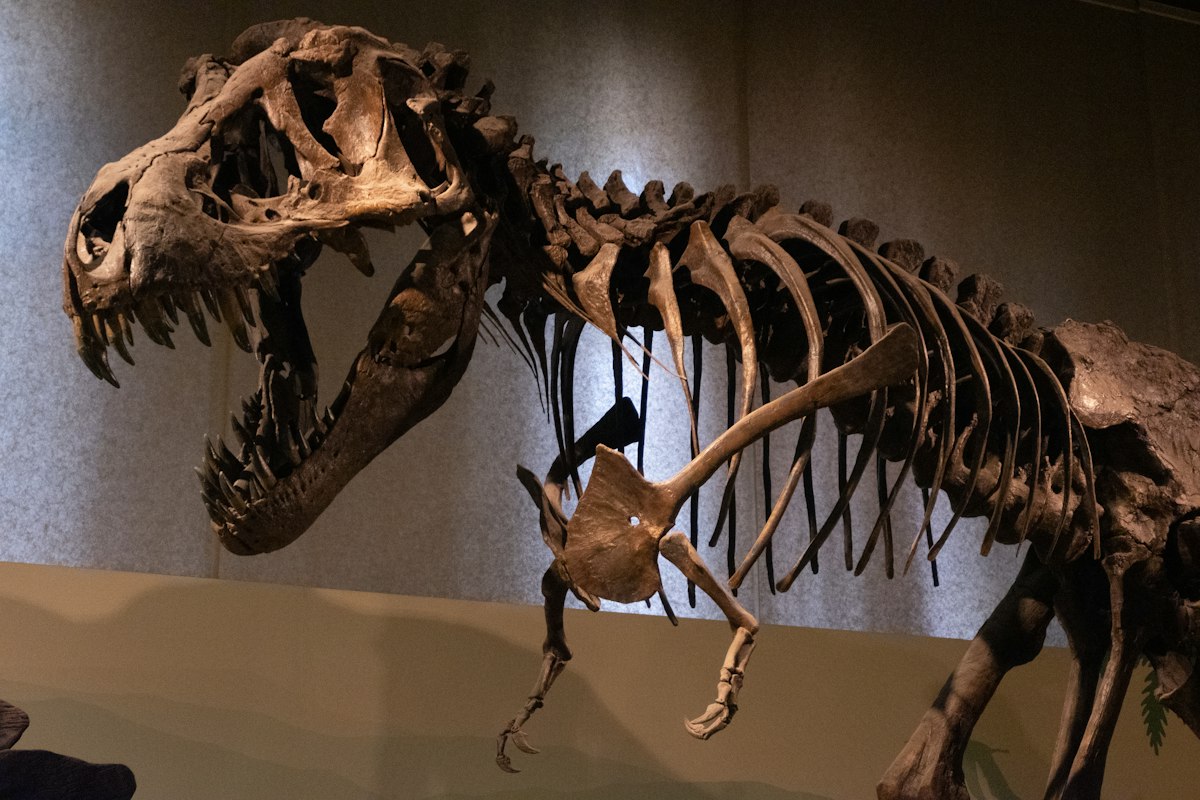
The dinosaur halls on the fourth floor are the reason most people come, and they don’t disappoint. The blue whale in the Hall of Ocean Life is another favorite. The Gilder Center, which opened in 2023, added a butterfly vivarium and an insectarium and connects parts of the museum that used to be dead ends.
Admission: New York State residents can pay what they wish with ID. Visitors from elsewhere pay a fixed price. Entry is timed, and the planetarium show and some exhibits cost extra.
The Museum of Modern Art
MoMA in Midtown is where you’ll find Van Gogh’s The Starry Night, Monet’s water lilies and a long run of 20th-century painting, design and film. The fifth floor holds most of the famous pieces, so start there if you’re short on time. MoMA runs free and reduced-price programs on some evenings. Check its website for the current schedule.
The Guggenheim
Frank Lloyd Wright’s spiral building on Fifth Avenue is the main attraction for a lot of visitors, whatever the exhibition. Take the elevator to the top and walk down the ramp. The collection of modern art is small by New York standards, and you can see it all in a couple of hours.
The Whitney Museum of American Art
The Whitney sits at the southern end of the High Line in the Meatpacking District. It focuses on American art of the 20th and 21st centuries, and its outdoor terraces look over the Hudson. Pair it with a walk up the High Line.
The Frick Collection
The Frick reopened in 2025 after a long renovation of Henry Clay Frick’s mansion on East 70th Street. It’s a small collection of Old Master paintings and decorative arts, displayed in the rooms of a Gilded Age house. It’s quieter than the big museums, and many people end up liking it best.
9/11 Memorial & Museum
The two memorial pools, set in the footprints of the Twin Towers, are outdoors and free to visit. The museum underneath is ticketed and takes a couple of hours. It’s powerful and it’s heavy. Don’t plan anything loud right after.
Tenement Museum
On the Lower East Side, the Tenement Museum tells the stories of immigrant families who lived in two buildings on Orchard Street. You can only visit on a guided tour, and tours sell out, so book ahead. It’s one of the best ways to understand how the city grew.
A few smaller favorites
- The Morgan Library & Museum in Murray Hill, for J.P. Morgan’s library and rotating exhibits of manuscripts and drawings.
- The Museum of the Moving Image in Astoria, Queens, for film and TV history and a good collection of old arcade games.
- The Brooklyn Museum next to Prospect Park, which has one of the largest collections in the country and rarely feels crowded.
If you live in New York City, get an IDNYC card. It’s free, and it has come with complimentary memberships at dozens of museums and cultural institutions.
Planning a whole day around the Upper East Side or Upper West Side? Our Manhattan guide covers where to eat nearby, and our list of free things to do has a few more ideas for the budget-conscious.