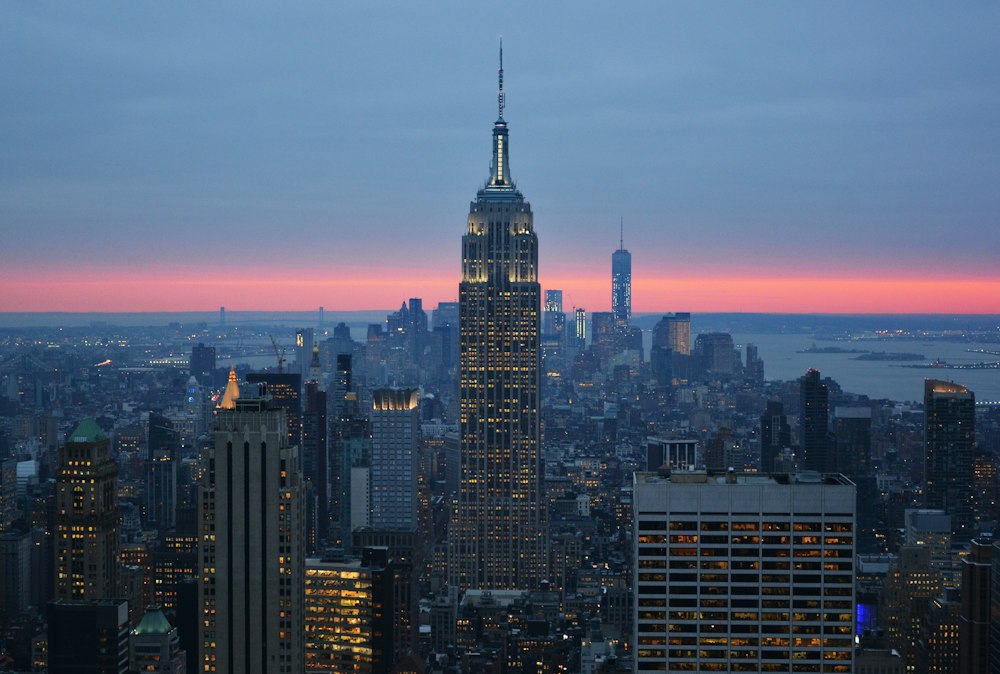
Manhattan is only about 13 miles long, but it packs in more than most countries manage. The easiest way to understand it is from the bottom up, because the island’s history more or less runs that way too. Streets below 14th Street follow the old, tangled layout. Above it, the grid takes over.
Lower Manhattan
This is where the city started. The Financial District has Wall Street, the 9/11 Memorial and One World Trade Center, and Battery Park at the tip is where ferries leave for the Statue of Liberty and Staten Island. Walk east to the Seaport for cobblestones and old ships, or north to City Hall and the entrance to the Brooklyn Bridge.
Chinatown and the Lower East Side
Chinatown is one of the best places in the city to eat cheaply and well. Wander Mott, Mosco and Doyers Streets and follow the lines. Next door on the Lower East Side, the Tenement Museum tells the story of the immigrants who lived here, and two old institutions are still going on Houston Street: Katz’s Delicatessen for pastrami and Russ & Daughters for smoked fish.
SoHo, Nolita and the Village
SoHo has cast-iron buildings and big-name shopping. Our SoHo guide covers it block by block. Greenwich Village and the West Village have small crooked streets, jazz clubs, cafes and Washington Square Park. This is where you’ll find the classic slice at Joe’s Pizza on Carmine Street.
Chelsea and the Meatpacking District
The High Line starts here, running above the old rail yards up to Hudson Yards. Along the way you’ll pass Chelsea Market, the Whitney Museum and dozens of free galleries between Tenth and Eleventh Avenues.
Midtown
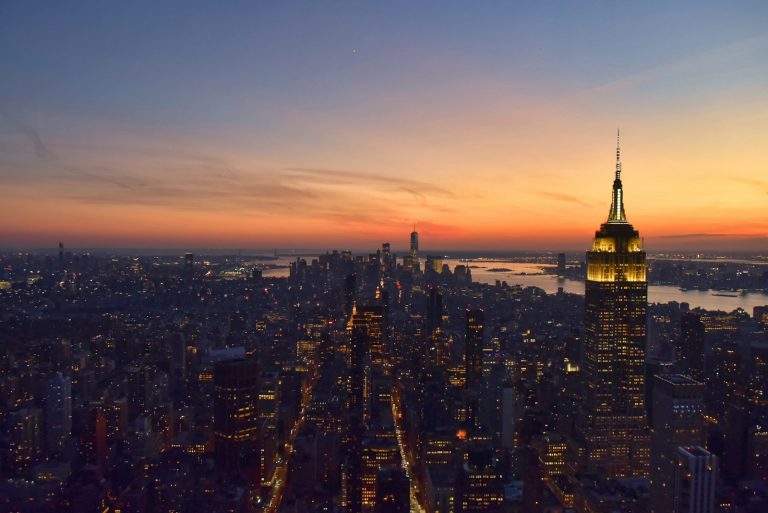
Midtown is the Manhattan of postcards: Times Square, Broadway, Rockefeller Center, the Empire State Building, Grand Central and the main library on Fifth Avenue. It’s crowded and it’s loud. It’s also where most visitors spend at least one day, and it has the best choice of observation decks and rooftop bars.
Upper East Side and Upper West Side
Central Park separates the two. The Upper East Side has Museum Mile, including the Met, the Guggenheim and the Frick, plus quiet, expensive side streets. The Upper West Side is more relaxed, with the Natural History Museum, Lincoln Center and Riverside Park along the Hudson. Our museum guide covers the big ones on both sides.
Harlem and Upper Manhattan
Harlem has the Apollo Theater, beautiful brownstone blocks around Strivers’ Row and a long history of music and soul food. Sylvia’s on Lenox Avenue has been serving since 1962. Further north, Fort Tryon Park and The Met Cloisters, which is filled with medieval art, sit on a hill above the Hudson.
Getting around
The subway is almost always faster than a taxi. Avenues run north to south and streets east to west, and a north-south block is about a twentieth of a mile, so you can estimate walking times with some confidence above 14th Street. Below it, bring a map.